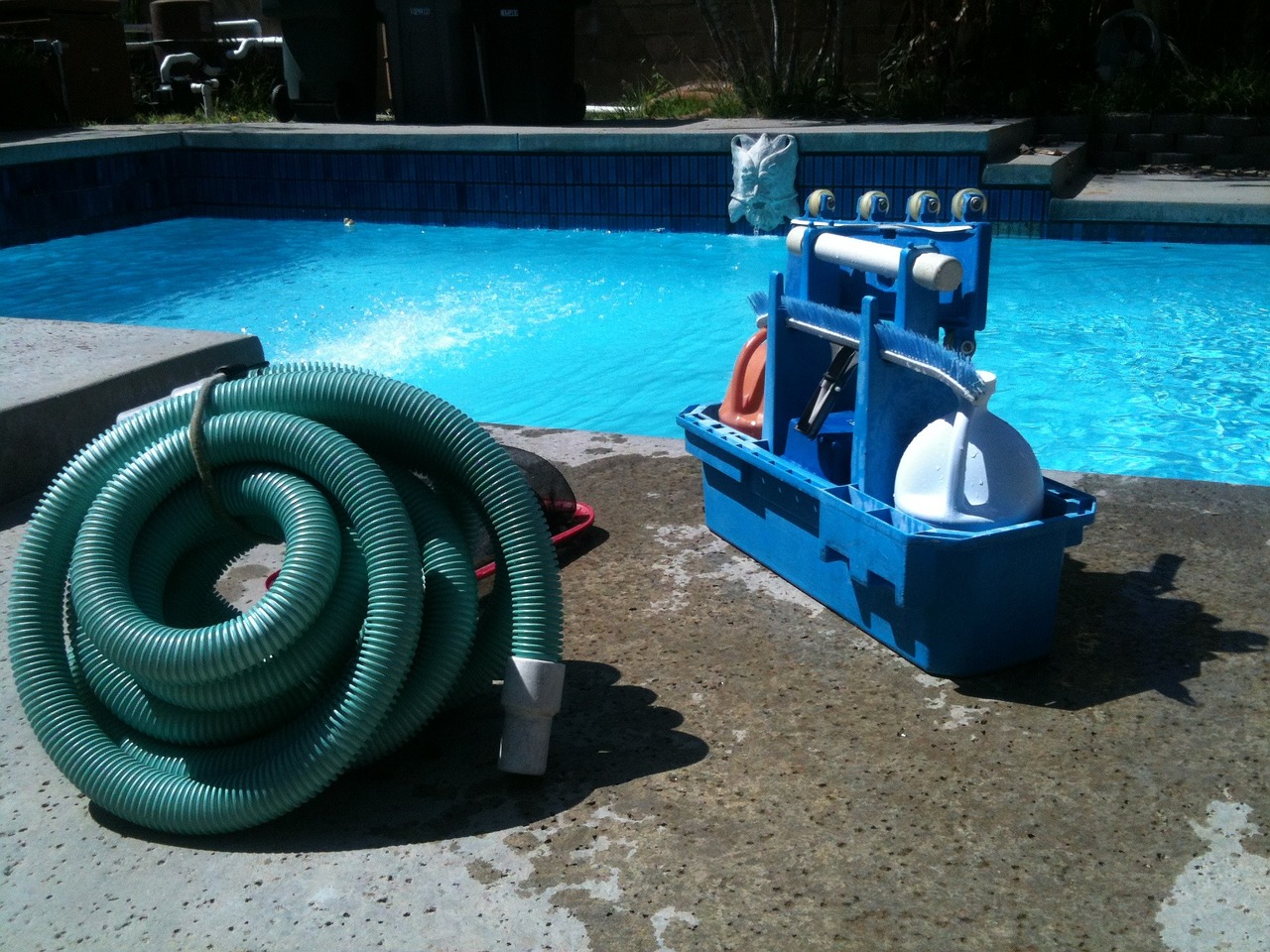
Got a pool already and want to understand better how it works? Thinking of getting one? Let’s go over pool types and their components so you know what goes on with pool installation and maintenance.
The Two Big Types
You are probably already aware that pools come in two large types: above ground and in ground. Obviously, above-ground pools are cheaper and a lot easier to install. That’s true even if you choose to get a nice deck put onto your above-ground pool, though. Additionally, an above-ground pool is considered quite safe since it’s hard for kids to accidentally fall up. So long as you have a good gate on your stairs and deck, you’re unlikely to have any issues.
However, there is no denying that above-ground pools just don’t look as nice as the inground type. Plus, they just don’t last as long. Inground pools, in contrast, can cost far more to install, and they also require more maintenance than above-ground pools. They will last longer, however, look nicer, and offer you a lot more options in terms of shape and size.
Pool Materials
There are three types of materials commonly used for pools: fiberglass, vinyl, and concrete. The fastest to install but also the least customizable are the fiberglass pools. You can expect these to last you sometime around 15 years if you take care of them, and, compared to the other types, maintenance is easy. Vinyl is the cheapest to put in and very easy to customize. But because vinyl is not a very durable material, it usually needs to be replaced every 5 to 10 years. If you take very good care of it, you may be able to eek out a few years more than that.
Finally, you have concrete pools. These take a lot longer to install because you have to actually pour the concrete. Then you seal the concrete with plaster, glass aggregates, tile, or similar. This is definitely the most flexible of the pool types in terms of customizability, but it’s also the most difficult to maintain and the most expensive, not just initially but over the lifetime of the pool.
Pool Sanitizing Options
You have some options when it comes to sanitizing your pool. Obviously, the most common sanitizer is chlorine (which is actually hypochlorous acid). Pool chlorine is cheap and overall works quite well at killing pathogens, algae, and other unwanted material. Saltwater chlorinators are a popular choice because they turn salt into chlorine using a generator. This means all you’re adding to the pool is salt, and the water in these pools is often easier on the skin and hair. However, the salt will destroy any metal in the pool’s frame over time, and it can also be too abrasive for a plaster finish.
Bromine is similar to chlorine and can also be used here, but it’s more expensive. The reason some people prefer it, however, is that it doesn’t smell so strong and doesn’t irritate the eyes. Finally, you could consider a UV sanitizer system that just uses light. This is very effective, but you will need to still use some chemicals—just less.
Parts of Your Pool
The Drain
If you have an inground pool, you will have noticed two drains at the bottom. They use suction to collect dirt, sand, and any other debris that’s heavier than water and will sink to the bottom. They should be covered to keep larger objects from getting caught, and they provide some circulation down at the bottom of the pool. You can also use them to drain the pool when you need to winterize.
The Skimmer
At the top of the pool, inside the walls, you’ve got at least one skimmer and sometimes more than one. These collect debris from the top of the water, like insects, leaves, and small bits of paper or plastic trash that your kids might drop in. The skimmer should have a basket to trap all this and keep it from getting into the filter, where it could clog up your filtration system. You usually find a skimmer on both above and inground pools.
The Filter
Obviously, as the water comes through the skimmer and the drains, you want it to go through a filter to get rid of any debris and also to clean up any bacteria. At the same time, you don’t want your filter to remove the important chemicals that you have put in to sanitize the pool water and make it safe for swimming. There are three types of pool filters that are readily available. These are sand, cartridge, and diatomaceous earth. Remember that it’s not enough to just put chemicals into your pool. You do have to have a filtration system to get rid of bacteria and other junk.
Pool Jets
If you have an inground pool, you will have a couple of jets; if you have an above-ground pool, there’s usually just one. These shoot the freshly filtered water back into the pool, and by doing so at pressure, they help it to mix with the sanitizers you have in the pool so that you keep your clarity, cleanliness, and pH levels consistent. If you have more than one jet, you want to angle them so that they create a circular motion in the pool as they shoot water through it.
Pool Heater
Of course, not every pool has one of these because a pool heater is not actually an essential component. However, a pool heater is a very nice thing to have. If you have your pool in an area where it gets a fair amount of shade, this can help to protect everyone from sunburn and allow you to enjoy the pool area for longer during each day, but it can also make the pool less comfortable because the sun doesn’t warm the water as much. A pool heater can fix this issue. Additionally, if you have a pool heater, you can often use your pool for longer.
We love pools and everything about them, and we’d love to help you take care of yours. Our water delivery service brings you clean, locally sourced, properly pH balanced pool water right when you need it, so you can get filled up or topped off and enjoy every moment of your investment. Contact us at Taylor Farms LLC in Inwood, WV to find out more about our water hauling service, ask for a quote, and schedule a delivery.
At Taylor Farms Water Hauling, we deliver clean, locally sourced, pre-treated water for filling any swimming or bathing area all around the Eastern Panhandle. If you live in West Virginia, Virginia, Maryland, or even in parts of Pennsylvania, contact us at Taylor Farms Water Hauling now and find out what we can do.