Potable (clean, safe to consume) event water means an on-site supply of bulk water that meets public-health standards, keeps attendees hydrated, and supports food-safety and sanitation needs at temporary gatherings. Event planners face dehydration risk, vendor water needs, and regulatory oversight; delivering clean water on-demand reduces medical incidents, vendor closures, and attendee complaints while improving the overall guest experience.
Why Is Potable Bulk Water Critical for Festivals, Fairs, and Large Gatherings?
Bulk water at large gatherings provides safe hydration, supports vendor food preparation, and reduces public-health liability by preventing waterborne illness. When organizers supply regulated drinking water, they directly mitigate dehydration and heat-related illness, ensure safe handwashing and food handling, and satisfy the expectations of health inspectors and attendees.
The presence of accessible drinking water also improves attendee satisfaction and enables refillable-bottle programs that lower event waste.Understanding these core roles leads naturally to examining how safe drinking water specifically prevents dehydration and what operational advantages bulk delivery offers for event hydration.
How Does Safe Drinking Water Prevent Dehydration and Health Risks at Events?
Safe drinking water prevents dehydration by enabling continuous fluid replacement for attendees and staff, especially during hot weather or high-activity events where sweat losses are significant. Properly sited refill stations and accessible spigots reduce the risk of heat exhaustion, which manifests as dizziness, headache, and reduced cognitive function—symptoms that can escalate to emergency-room visits if unattended.
Event medical data and public-health guidance indicate that ample water access lowers heat-related incidents and reduces the burden on on-site medical teams. Planning hydration points by anticipated crowd density and climate conditions ensures a measurable reduction in health risks and supports timely medical response when needed.
What Are the Benefits of Bulk Water Delivery for Event Hydration?
Bulk water delivery offers consistent supply, simplified logistics for vendors and organizers, and environmental advantages compared with single-use bottled water. By staging tanks and mobile refill stations, events maintain continuous dispensing capacity, reduce storage complexity for vendors, and enable rapid refilling without repeated deliveries of packaged water.
Operationally, bulk delivery minimizes plastic waste, lowers per-person costs for high-attendance events, and streamlines sanitation by using food-grade tanks and controlled dispensing. These benefits make bulk water an effective hydration strategy for festivals and fairs, especially when paired with refillable-bottle programs and clear station placement.
What Event Water Delivery Services Does Taylor Farms Water Hauling Provide?
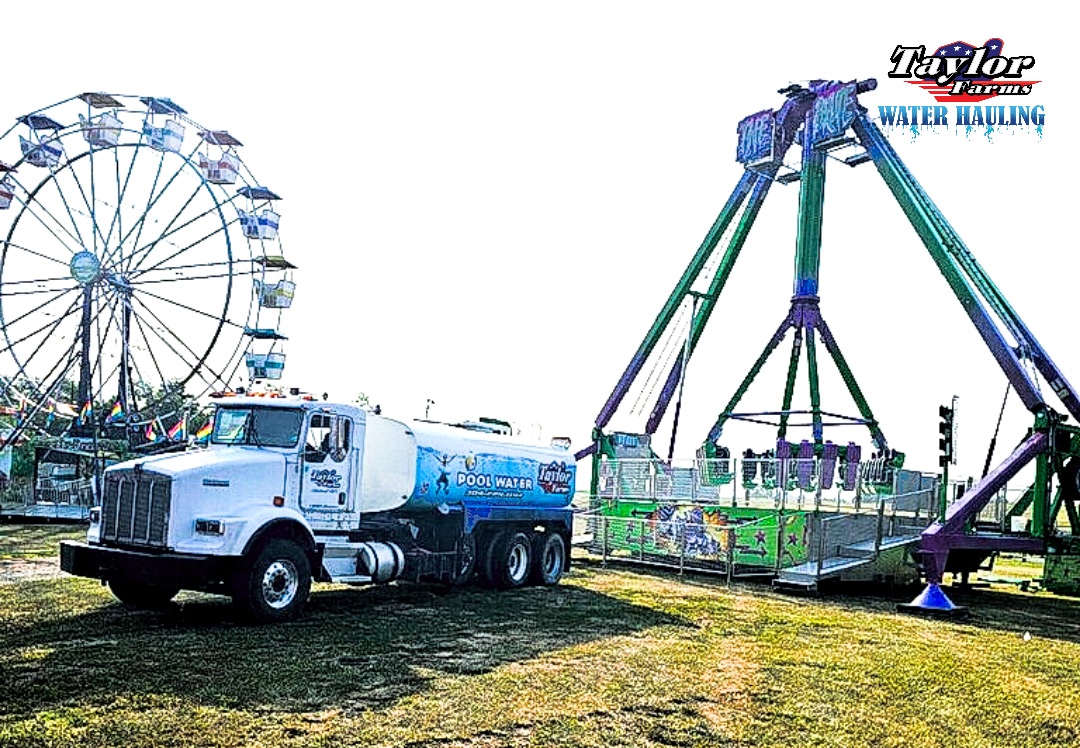
Potable event water services include bulk water hauling to on-site tanks and trailers, temporary refill stations for attendees, and support for vendor and sanitation water needs across the service region. Providers supply water trucks and tanks of varying capacities with dispensing spigots and hoses, coordinate delivery windows, and stage equipment for multi-day events to ensure uninterrupted supply. These operational capabilities are essential for festivals, fairs, concerts, and sporting events that require predictable water throughput and safe handling.
Which Types of Events Can Benefit from Our Potable Bulk Water Solutions?
Many event types benefit from dedicated potable water services, including multi-day music festivals, county fairs, outdoor markets, athletic events, and temporary film or construction sites requiring safe drinking water. Festival organizers often combine large tanker deliveries with multiple refill stations to serve thousands of attendees, while smaller community fairs may rely on a trailer or single large tank to support vendors and public drinking points.
For sporting events, strategically placed refill stations near high-traffic zones reduce dehydration-related performance declines and medical calls. Matching expected attendance, temperature forecasts, and event duration to a combination of tanks and refill points produces a practical hydration plan that balances cost, convenience, and safety.
How Do Our Water Trucks and Tanks Support Large-Scale Event Hydration?
Water trucks and tanks support large events by providing high-volume storage, flexible dispensing options, and on-site refilling that eliminates dependence on bottled deliveries. Tanks can be equipped with multiple spigots, locking fittings for vendor connections, and sanitary hoses to maintain water quality during distribution.
Deployment workflows include staged arrival windows, secure placement for vehicle access, and coordinated pickup after events to minimize on-site disruption. Service providers often offer operator support for setup and monitoring to ensure immediate troubleshooting, which combines capacity planning with on-the-ground reliability for continuous hydration across the event footprint.
How Can Event Organizers Arrange Temporary Water Supply for Outdoor Events?
Arranging temporary water supply begins with estimating demand, identifying access points, and selecting equipment that meets both volume and dispensing needs for the event. A clear planning process reduces last-minute problems: estimate gallons per person based on climate and activity, identify safe truck access and staging locations, and determine whether chilled water is required. Logistics planning also includes delivery windows, on-site operator coordination, and backup supply options for high-heat days or unexpected attendance surges. Below is a numbered step-by-step process that organizers can follow to convert a hydration plan into scheduled deliveries and reliable on-site service.
Follow these steps to secure and coordinate bulk water delivery:
-
- Estimate demand: Calculate expected attendance, event duration, and climate-driven water needs to determine total gallons required.
- Identify access and staging: Confirm vehicle access, flat staging areas, and proximity to refill points for safe setup.
- Request a quote: Provide event date, location specifics, estimated gallons, and site access details to receive a tailored delivery plan.
- Confirm schedule and staging: Finalize arrival windows, operator needs, and contingency plans for refill or emergency delivery.
These steps form the core timeline from initial planning to event-day execution. Providing as much details as possible upfront shortens response times and reduces the need for follow-up, enabling faster scheduling and more accurate quotes.
How Does Taylor Farms Water Hauling Ensure Timely and Reliable Water Delivery Across WV, MD, and VA?
Regional reliability relies on local dispatch planning, staging points, and contingency reserves positioned to meet expected travel times across West Virginia, Maryland, and Virginia. We coordinate routing to minimize transit delays, schedule staggered arrivals for multi-location events, and maintain reserve capacity for emergency top-ups during heat spikes or attendance surges.
Clear communication channels between dispatch, on-site contacts, and event security facilitate rapid adjustments on delivery day. These logistical practices create predictable service windows and faster response capability for last-minute needs without depending on distant supply lines.
What Are the Health and Safety Standards for Potable Water at Events?
Health and safety standards for event water focus on microbial safety, proper tank sanitation, and documentation that demonstrates compliance with public-health expectations. Providers must follow testing protocols that detect microbial contaminants and ensure that tanks, hoses, and fittings are food-grade and sanitized prior to delivery.
Organizers and vendors should request proof of testing and ask about sanitation schedules, because visible cleanliness and documented tests reduce risk and support regulatory inspections.
How Is Water Quality Tested and Maintained for Event Use?
Water quality testing for event use typically includes pre-delivery microbial sampling, verification of disinfectant residuals where appropriate, and strict tank-cleaning protocols to prevent cross-contamination. Providers use food-grade cleaning agents and documented sanitation procedures prior to each fill, and they may supply certificates or test reports upon request to demonstrate safety.
On-site monitoring includes periodic checks of dispensing points and immediate corrective action if contamination or tampering is suspected. Maintaining this chain of custody—from source water to on-site spigot—ensures consistent compliance and reduces the likelihood of waterborne incidents during events.
What Regulations Govern Safe Drinking Water for Public Gatherings?
Regulations governing potable water at public gatherings are enforced by state and local health departments and reference federal guidance focused on safe drinking-water standards and event safety. Organizers should consult local health department expectations for permits and inspection criteria, and providers should be prepared to demonstrate test results and sanitation records during inspections.
While specific permit requirements vary by jurisdiction, the underlying expectation is demonstrable water safety through testing, sanitation, and secure dispensing practices. Familiarity with local health department guidance reduces the risk of permit delays and enables smoother event operations.
How Does Sustainable Bulk Water Delivery Reduce Plastic Waste at Events?
Sustainable bulk water delivery reduces single-use plastic waste by enabling refillable-bottle programs and high-capacity dispensing that replaces hundreds or thousands of bottled units. By offering centralized refill stations and encouraging attendees to bring reusable bottles, events can significantly cut the number of plastic bottles consumed and disposed on-site.
Bulk delivery also lowers packaging-related transportation impacts and simplifies waste-management logistics for organizers. The following bullet list summarizes practical sustainability practices that organizers and providers can adopt to quantify and communicate waste reductions at events.
-
- Promote refillable bottles: Encourage attendees to bring reusable bottles and provide refill stations in high-traffic areas.
- Install centralized refill stations: Place multiple spigots per station to reduce queues and increase throughput.
- Track bottles avoided: Estimate plastic bottles saved by dividing delivered gallons by average bottle volume to report reductions.
These practices combine behavioral encouragement with infrastructure and measurement, enabling organizers to credibly report on environmental outcomes and improve attendee perception.
How Can Event Planners Get a Quote and Schedule Event Water Delivery?
Requesting a quote and scheduling event water delivery requires clear, concise information from the organizer so providers can respond with accurate sizing, pricing, and scheduling options. A short checklist of required fields expedites the process: event date/time, expected attendance, estimated gallons, and site access details.
Providers typically respond with a delivery plan, arrival window, and equipment recommendations; organizers should confirm staging instructions and on-site contacts to finalize scheduling.
How Quickly Can Taylor Farms Respond to Emergency or Last-Minute Water Needs?
Providers with regional presence can often triage emergency requests by prioritizing dispatch, staging local reserves, and coordinating with event staff to expedite access, although exact response windows vary by location and current commitments. To expedite emergency service, requesters should provide shortest-possible access coordinates, estimated gallons needed, and a reachable on-site contact to receive and stage delivery quickly.
Clear information about access constraints, gate codes, and safety contacts accelerates routing and reduces setup delays. Organizers who prepare contingency plans and maintain open communication with the provider improve the chances of rapid assistance during unexpected high-demand situations.
Are You Planning A Special Event That Requires A Bulk Delivery Of Potable Event Water In West Virginia, Pennsylvania, Maryland or Virginia?
If you’re planning an event that calls for a large amount of potable water—such as a music festival, church function, or sporting event—Taylor Farms Water Hauling is here to help! Please contact us online or call our Inwood, West Virginia office directly at 304.229.1194. We service West Virginia, Maryland, Virginia, and Pennsylvania.