Emergency water delivery is an on-demand service that restores access to potable water when household or business systems fail, offering rapid, temporary supply to meet drinking, sanitation, and operational needs.
When Do You Need Emergency Water Delivery?
Emergency water delivery is needed whenever an existing water source fails or becomes unsafe, and immediate potable or operational water is required to maintain health, sanitation, or business continuity. Common mechanisms include well pump failures, cistern depletion, water main breaks, contamination events, and power outages that stop pressure systems, each of which interrupts normal access to potable water. Understanding the trigger helps determine the volume, urgency, and delivery method needed, and informs whether potable water or non-potable water is appropriate.
Residential Emergencies That Require Emergency Water Delivery
Residential emergencies that call for emergency water delivery include sudden well pump failure, dry wells after drought, low cistern levels, boil-water notices due to contamination, and extended power outages affecting pressurized systems. Typical household needs range from a small top-off to restore toilet and basic sanitation function (several hundred gallons) to larger refills to sustain multiple people for several days (thousands of gallons), so estimating occupants and usage is essential when requesting service.
Homeowners should immediately conserve existing water, avoid using questionable sources for drinking, and secure containers to prevent contamination; these steps reduce demand and preserve potable reserves until a tanker arrives. Preparing an access point and clear directions for the delivery crew speeds service, which is especially important in rural settings where site access or offloading requirements vary.
Emergency Water Delivery Supports Commercial and Construction Sites
Commercial and construction sites need emergency water when municipal connections fail, temporary process supply is interrupted, fire protection tanks drop below code-required minimums, or dust-control and compaction activities require continuous water. Delivery volumes for construction and industrial use often scale to thousands to tens of thousands of gallons, and logistics must account for truck sizing, staging space, hose routing, permits, and offloading equipment.
Site managers should provide access permits, weight-limit notices, and designated offload areas to reduce delays; coordinated scheduling and advance volume estimates allow providers to allocate multiple trucks or temporary storage tanks. Clear coordination between the delivery team and site supervisors minimizes downtime and keeps projects moving until permanent supply is restored.
How Does Taylor Farms Water Hauling Ensure Fast and Reliable Emergency Water Delivery?
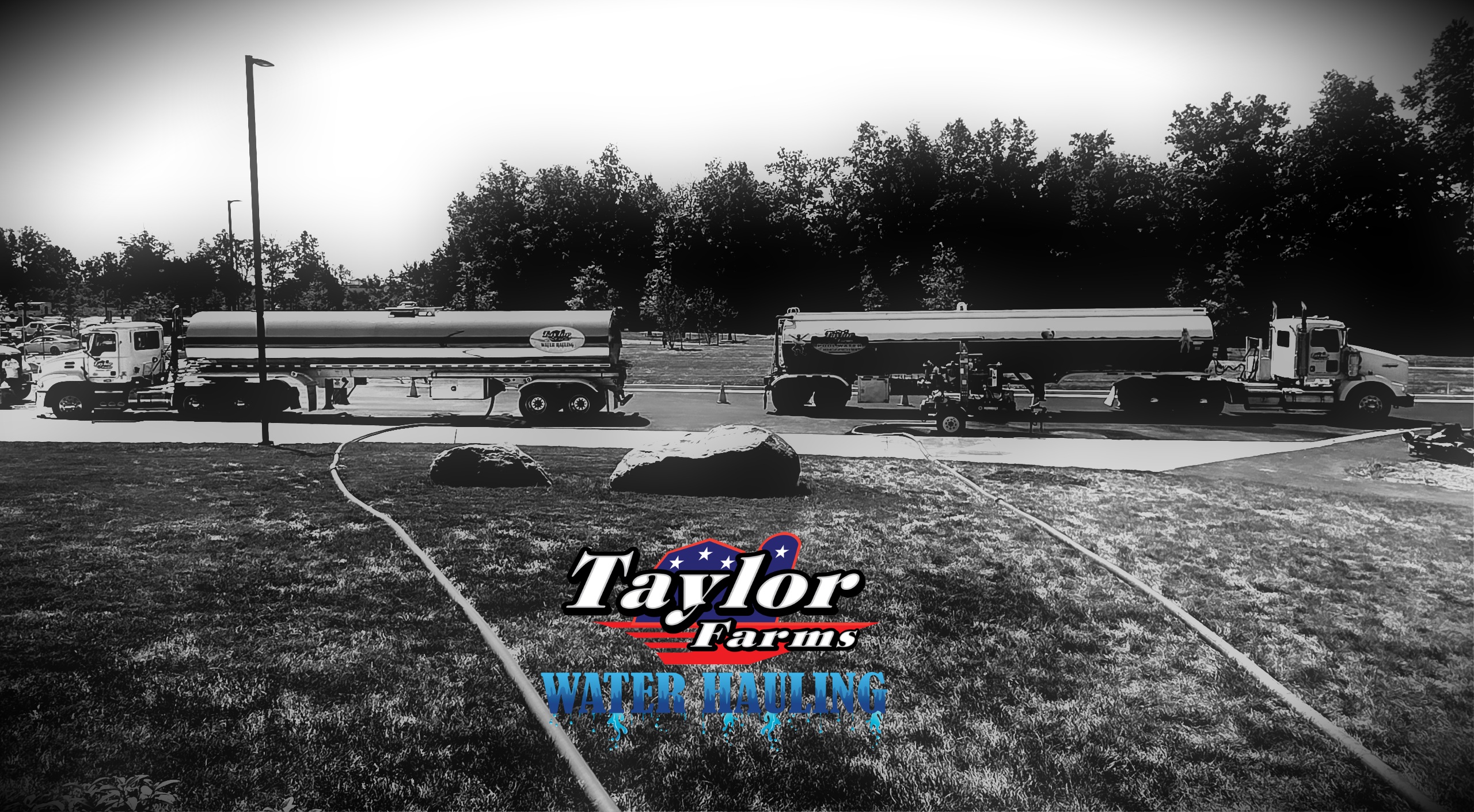
At Taylor Farms Water Hauling, we combine an emergency dispatch process, potable sourcing from municipal plants, and routine fleet maintenance to deliver fast, reliable emergency water hauling for residential and commercial customers. We emphasize rapid triage, staging of tankers, and on-site hygiene to ensure delivered water remains clean and safe for household or operational use. Efficient response relies on clear information from callers—exact address, access notes, and estimated volume—so the dispatcher can plan ETA and equipment needs.
Rapid Response and Scheduling Process for Emergencies
The rapid response process begins when a customer contacts the emergency line with location, access details, and an estimated volume requirement, enabling dispatch to triage urgency and route the nearest available tanker. Dispatch prioritizes life-safety and sanitation-critical calls, assigns crew and equipment based on required hose lengths and flow rates, and provides an estimated time of arrival that reflects distance, road conditions, and time of day.
On arrival, the crew confirms access and delivery method, sets up hoses and fittings, and communicates expected offload time to the customer, which typically ranges from under an hour for small residential fills to multiple hours for large-scale deliveries. Providing precise address and access instructions at first contact materially shortens ETA and reduces the need for return trips.
Common Emergency Water Delivery Services Offered
Emergency bulk water delivery services address a range of needs from household potable refills to construction and disaster response, each using different tanker sizes, offload methods, and scheduling approaches. Core services include residential well refills and cistern top-offs, scheduled and on-call construction site deliveries, potable disaster response, and temporary storage tank setups for prolonged outages.
Why Choose Taylor Farms Water Hauling for Your Emergency Bulk Water Delivery Needs?
At Taylor Farms Water Hauling, we can confidently say that we bring several key advantages to emergency water delivery in our region. Being a veteran-owned and family-operated business, we combine disciplined operational practices with a strong commitment to customer care. We source all our potable water locally from trusted municipal plants, ensuring the highest safety standards for your household or business needs.
Our service area covers West Virginia, Maryland, Virginia, and select parts of Pennsylvania, with availability depending on your exact location. This local focus means we understand the unique challenges of our communities and can provide reliable, timely service when you need it most.
When you choose Taylor Farms Water Hauling, you’re partnering with a team that values predictable dispatch, strict adherence to water handling protocols, and clear, customer-focused communication throughout the emergency response process. We encourage prospective customers to consider these qualities alongside our availability and response commitments when selecting a water hauling provider.
What Are the Most Frequently Asked Questions About Emergency Water Delivery?
People commonly ask about delivery speed, safety of water for drinking, costs, and how much to request for different scenarios.
How Quickly Can Emergency Water Be Delivered in a Crisis?
Emergency water delivery can often be same-day for nearby calls, depending on distance, road access, time of day, and existing dispatch load. Rural addresses and severe weather can extend arrival times, while clear access, precise directions, and immediate availability of the desired volume help dispatch prioritize and shorten ETA.
To expedite service, callers should provide exact GPS coordinates if possible, note access restrictions, and state whether potable water for drinking or non-potable water is required. Accurate upfront information reduces setup time on arrival and helps crews deliver within expected windows.
Is the Delivered Water Safe for Drinking and Household Use?
Yes — delivered potable water is clean and sourced from local water plants to meet household safety expectations, and providers follow hygiene protocols for hoses, fittings, and onboard tanks to reduce contamination risk. After delivery, customers should store water in closed, food-safe containers and avoid transferring water with unclean utensils to preserve the delivered quality. If there has been a contamination event or a boil-water notice, check local guidance and consider sample testing after repairs; however, properly sourced and handled tanker water is intended to be safe for drinking and domestic use.
How Can I Prepare for Water Emergencies?
Preparing for water emergencies reduces the time to restore supply and minimizes health risks, and a few straightforward steps by homeowners and businesses make emergency deliveries faster and more effective. Advance planning includes keeping contact and location details handy, identifying a clear offload area, conserving water immediately on failure, and estimating the volume needed for short-term survival or continued operations.
What Steps Should Homeowners Take When Facing Well Pump Failure?
When a well pump fails, prioritize safety by switching off non-essential water use, avoiding use of compromised water for drinking without testing, and locating any stored water that can serve as an immediate reserve. Prepare a clear access route for delivery trucks, open cistern or storage tank lids if safe, and estimate household needs—typically 50–100 gallons per person per day for drinking and basic hygiene—so dispatch can size the shipment.
Call for emergency delivery with exact address, access notes, and volume estimate to accelerate response, and plan follow-up repair appointments to restore permanent supply after the immediate need is resolved. These actions preserve safety and make tanker offloading efficient on arrival.
How Can Businesses Plan for Construction Site Water Disruptions?
Businesses should create contingency plans that include supplier contact lists, scheduled backup hauls, temporary tank staging areas, and documented access and permit requirements to ensure fast emergency delivery and minimal project downtime. For large projects, contracting routine scheduled deliveries or arranging standby agreements reduces the need for emergency mobilization and ensures predictable volumes for ongoing operations.
Site managers should catalog weight limits, offload coordinates, and required fittings so crews can arrive prepared and avoid costly delays. Advance planning and clear documentation are key to bridging temporary outages with minimal disruption.
Do You Need Water Delivered To Your Home Or Business Due To An Emergency?
If you’ve been impacted by an emergency, natural disaster, or a power outage and need water delivered right away, Taylor Farms Water Hauling is here to help Please contact us online or call our Inwood, West Virginia office directly at 304.229.1194. We service West Virginia, Maryland, Virginia, and Pennsylvania.