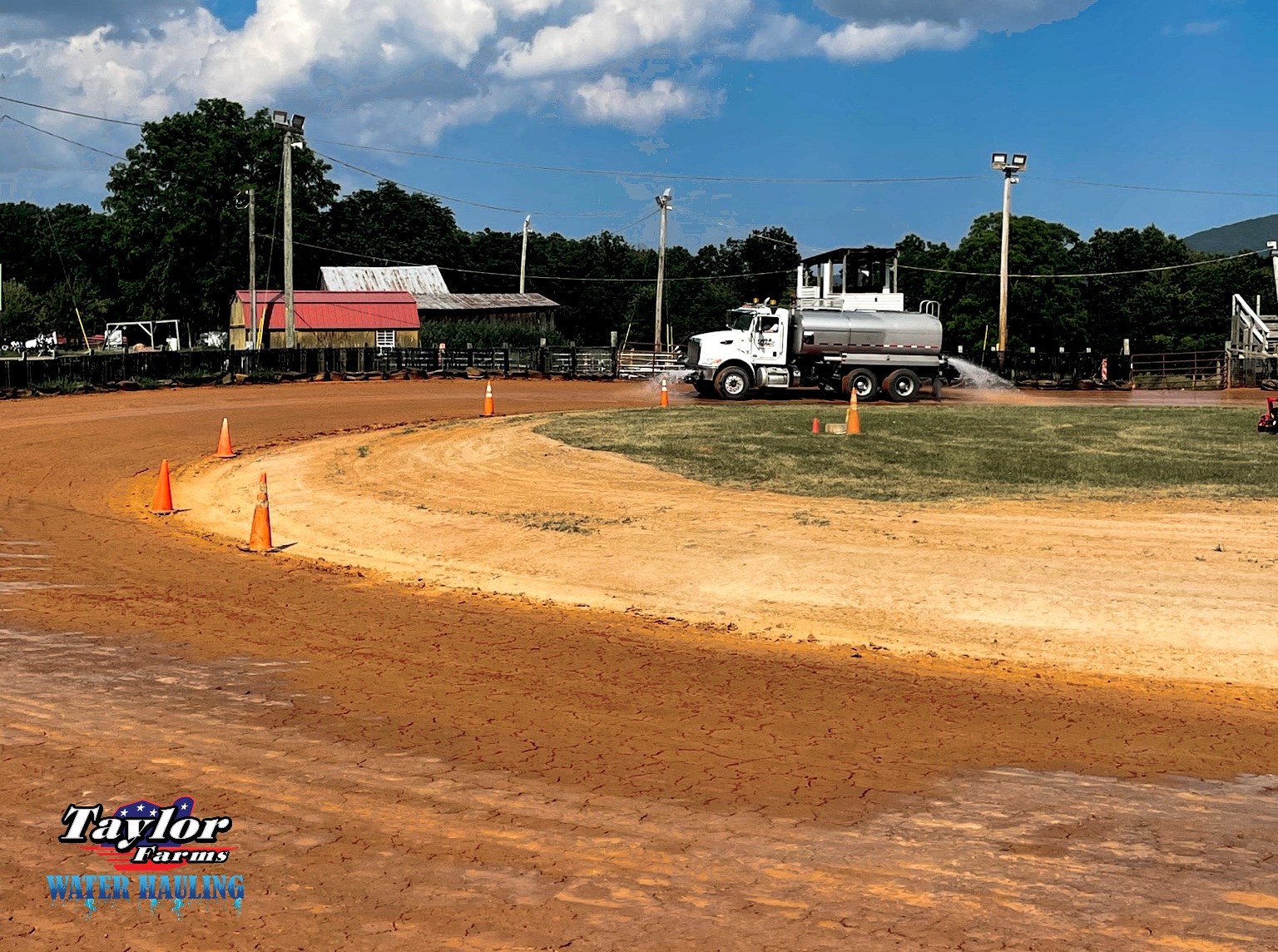
Dust control water trucks are specialized tanker vehicles equipped with pumps, spray bars, nozzles, and control systems that apply water to suppress airborne particulate matter on construction sites and unpaved roads. These trucks reduce breathable dust by wetting and agglomerating fine particles so they settle rather than remain suspended, which directly improves worker safety and helps projects meet environmental dust control requirements.
What Are Dust Control Water Trucks and How Do They Work?
Dust control water trucks are tanker vehicles that apply controlled water sprays to surfaces to reduce airborne dust through particle wetting and agglomeration. They work by generating droplets sized to attach to breathable particles, increasing mass so particles fall out of the air; this mechanism lowers inhalation risk and improves site visibility.
Typical configurations include tanker trucks with rear spray bars, vehicles with adjustable misting nozzles, and units that combine hose-fed spot application with wide-area distribution. Understanding spray pattern, droplet size, and application frequency helps teams match the truck setup to surface type and wind conditions.
How do water trucks suppress construction dust effectively?
Water trucks suppress construction dust by creating droplets that collide with airborne particles, causing a cluster and rapid settling; this reduces breathable particulate concentration and lowers inhalation exposure. Droplet size is tuned so droplets are large enough to capture fine dust but small enough to provide even coverage—operators balance pump PSI, nozzle orifice, and vehicle speed to achieve the target distribution.
Typical application rates depend on surface type and traffic levels, with more frequent light applications preferred on high-traffic haul roads and heavier wetting for stockpiles. Regular monitoring of visible dust and quick adjustments to spray pattern sustain control during gusty conditions. Understanding droplet dynamics informs scheduling and helps crews predict how long suppressed conditions will persist before reapplication is needed.
Why Is Dust Suppression Critical for Site Safety?
Dust suppression is essential for site safety because airborne particulates impair visibility, accelerate equipment wear, and expose workers to respirable hazards such as silica, increasing the likelihood of injuries and long-term respiratory disease. Managing dust through engineering controls like water trucks reduces acute accident risk from low-visibility situations and prevents chronic health outcomes by lowering worker exposure to PM10 and respirable crystalline silica.
Effective dust control also reduces secondary hazards, such as clogged filters, increased machine maintenance, and inspection delays that can disrupt schedules. Organized suppression programs combine water truck operations with monitoring, PPE, and administrative controls to create predictable, safer work environments for all trades on site.
How does dust impact worker health and site visibility?
Dust impacts health by increasing exposure to respirable particulates, including crystalline silica, which can inflame lung tissue and cause long-term respiratory conditions when exposure is frequent or high. Acute effects include eye and throat irritation, coughing, and reduced work capacity, while chronic exposure raises the risk of permanent lung disease.
Dust also degrades visibility on site, which raises the chance of vehicle-pedestrian incidents and equipment collisions during material handling or hauling operations. Combining water truck suppression with respiratory protection, exposure monitoring, and administrative policies—such as restricted access during high-dust operations—reduces both immediate and long-term risks for workers.
What are best practices for site safety dust management?
Best practices prioritize elimination and engineering controls first, with water trucks serving as a core engineering control complemented by administrative actions and PPE. Implement scheduled watering windows aligned with work phases, maintain watering logs to verify frequency, and coordinate truck passes with high-dust operations like grading or truck loading.
Use visual monitoring and simple particulate counters where possible to trigger supplemental applications when dust becomes visible or exceeds target thresholds. Train operators to adjust nozzle patterns and vehicle speed to changing conditions so suppression remains effective without creating excess runoff. These operational controls form the backbone of a defensible site safety strategy and feed directly into regulatory compliance documentation discussed next.
How Do Water Trucks Help Meet Environmental Dust Compliance Standards?
Water trucks help meet environmental dust compliance standards by delivering measurable, repeatable suppression actions—scheduled applications, documented logs, and targeted use of nozzle systems—that align with permit conditions and air district expectations.
Regulators commonly require visible-dust control, record keeping of suppression activities, and strategies described in emission control plans (ECPs), and water truck operations deliver those outcomes through consistent watering schedules, adjustable application rates, and documented proof of control. By integrating watering logs with site safety plans and best management practices (BMPs), contractors create auditable records that demonstrate proactive mitigation and reduce the risk of notices or fines.
Construction permitting and local air district rules usually specify visible emissions limits, required control measures, and documentation protocols; the exact standards vary by jurisdiction but often include frequent suppression and rapid corrective actions. Common permit conditions mandate that sites prevent visible plumes offsite, maintain active dust control during operations, and keep records of control measures. Understanding these categories allows teams to tailor water truck schedules and logs to satisfy inspectors and support permit renewals.
What Are the Benefits of Using Construction Dust Suppression Services?
Hiring professional construction dust suppression services delivers predictable suppression performance, reduces regulatory risk, and frees site teams to focus on core construction tasks rather than equipment operation. Professionals bring trained operators, optimized application schedules, and the right combination of truck types to maintain visible-dust control across changing site phases. Measurable benefits include fewer safety incidents, lower machine maintenance costs from reduced abrasive dust exposure, and decreased likelihood of inspection delays or fines.
For teams wanting a turnkey option, professional suppliers can coordinate logistics and document suppression— here at Taylor’s Water Hauling we offer such services and can provide quotes or schedule work to match project timelines.
We provide construction dust suppression services tailored to project schedules and permit requirements; they coordinate truck deployment, maintain application logs, and adjust application patterns for changing site conditions.
Does Your Business Need A Water Delivery Service For Dust Control Purposes?
If your business requires a water delivery service to suppress or control dust on a specific job Taylor Farms Water Hauling is here to help. Please contact us online or call our Inwood, West Virginia office directly at 304.229.1194. We service construction sites with potable water throughout West Virginia, Maryland, Virginia, and Pennsylvania to help keep your project on track.