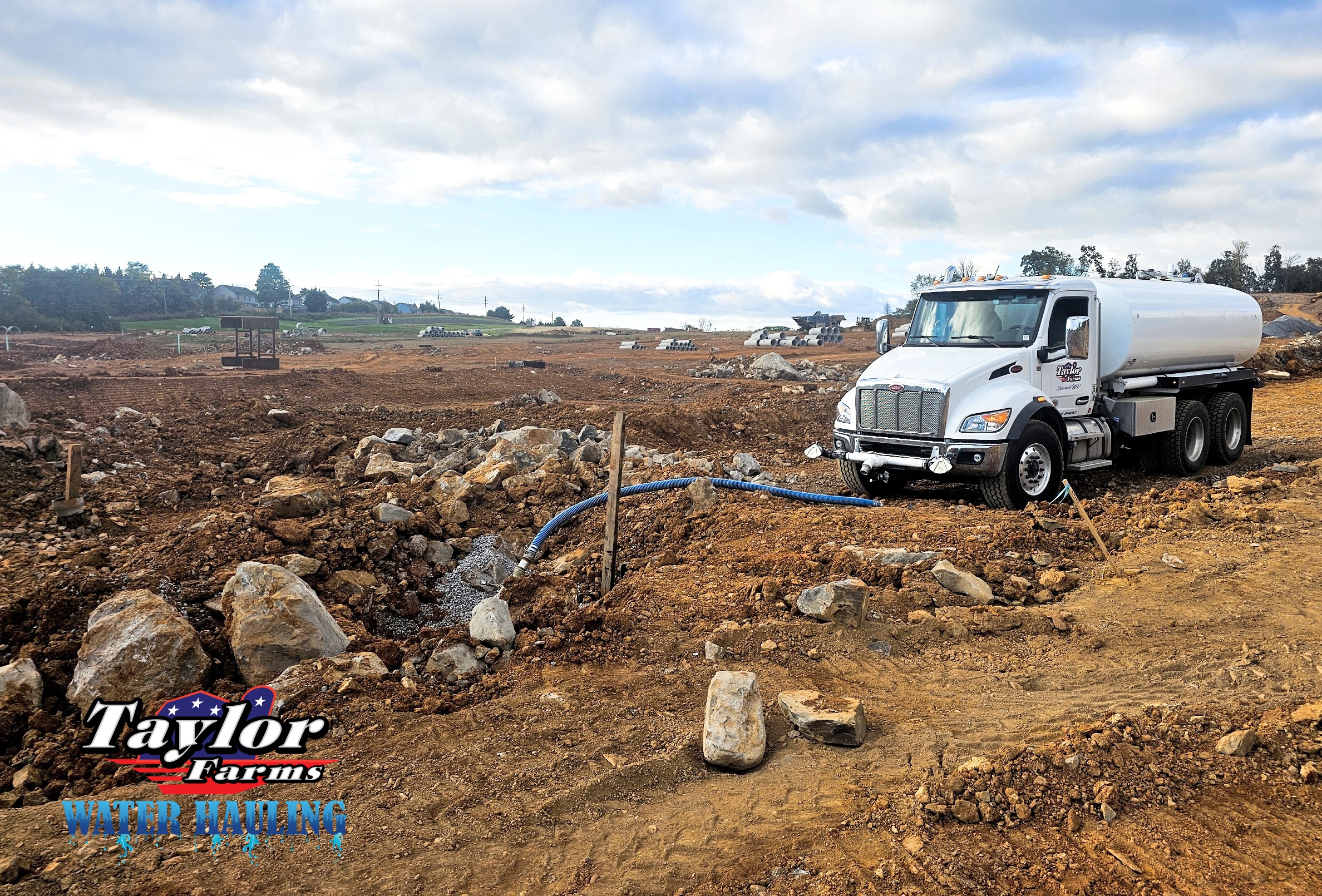
Professional water hauling delivers scheduled, quality-controlled bulk water to job sites so contractors avoid the downtime, material risk, and compliance headaches that often accompany on-site sources. This approach provides reliable construction water delivery, offering predictable operational mechanisms, clear cost and schedule trade-offs, and significant compliance and safety advantages that reduce rework and equipment damage. In a practical context, understanding these benefits allows contractors to evaluate when hiring a hauler reduces risk and preserves project timelines.
What Are the Hidden Risks of Using On-Site Water Sources for Construction?
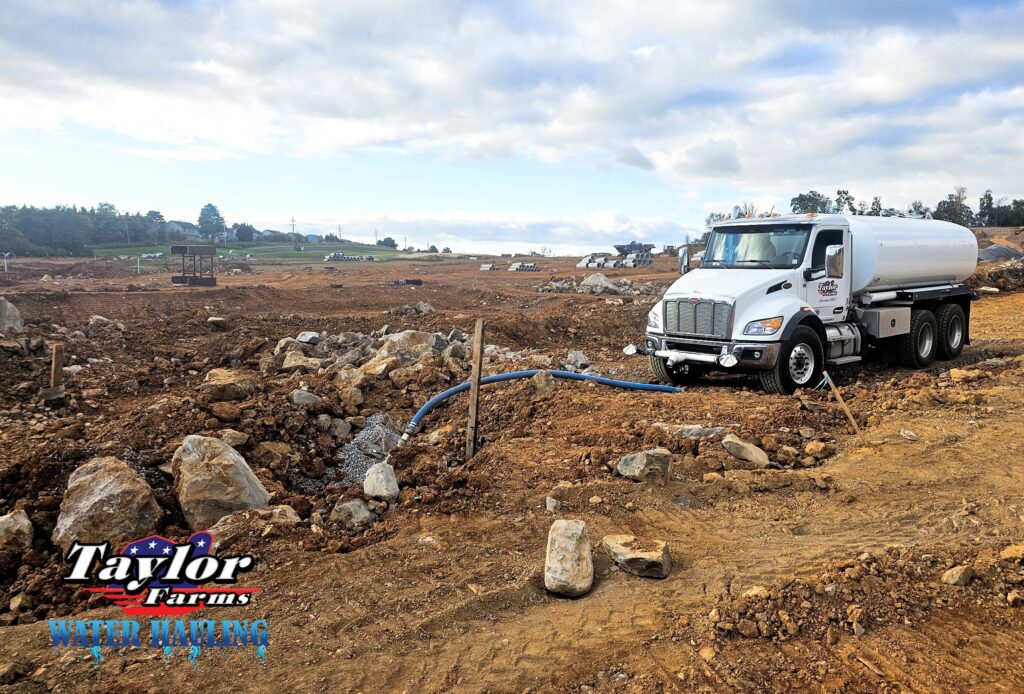
On-site sources such as wells and temporary municipal hookups carry hidden operational, quality, and regulatory risks that can interrupt construction workflows and increase costs. Relying on a private well can cause pump failures or insufficient flow; municipal connections can involve permitting delays or volume surcharges; untreated surface or pond water can introduce contaminants that damage concrete and equipment.
Understanding these failure modes helps contractors compare the predictable performance of professional bulk water delivery against the uncertain output and quality of on-site options. The following list summarizes primary risks contractors face when they depend on on-site sources.
The Limitations of Well Water for Construction Projects
Well water is often perceived as a cheap, on-site solution, but the mechanical and quality limitations make it risky for continuous construction use. Pumps sized for household demand may overheat or suffer accelerated wear when called on for extended compaction cycles or continuous concrete batching, which leads to repair bills and unplanned downtime.
Flow variability can force crews to slow compaction passes or halt pours until adequate water is restored, reducing productivity and extending the schedule. Sediment and dissolved minerals common in many wells can clog hoses, damage pumps, and affect concrete mix uniformity, increasing rework risk and warranty exposure. These equipment and material impacts illustrate why contractors frequently choose scheduled bulk delivery over on-site well water.
The Impact of Municipal Water Restrictions and Delays
Municipal connections seem convenient but often involve administrative and capacity constraints that shift project timelines and budgets. Obtaining temporary construction meters, compliance permits, and metering installations can take days to weeks, and some utilities enforce volume limits or higher usage rates for temporary high-volume consumption.
These delays and surcharges force contractors to install temporary infrastructure or purchase portable supply, both of which add cost and logistical complexity. The unpredictability of municipal availability also increases the likelihood of emergency water requests, which are costlier and disruptive. Because municipal and well-based approaches both risk schedule impacts, contractors turn to water hauling as a predictable alternative.
Why Is Untreated Water a Danger to Concrete and Equipment?
Untreated site water can contain salts, organic matter, and suspended solids that interact adversely with concrete chemistry and mechanical systems. Excess chlorides or sulfates accelerate steel corrosion in reinforced elements, while high sediment loads change water-to-cement ratios and interfere with admixture performance, affecting setting time and long-term durability.
For equipment, abrasive particles and biological fouling increase maintenance needs for pumps and hoses, and repeated cleaning or part replacement adds indirect labor costs. These material and equipment failures frequently lead to rework, claim disputes, and potential liability.
Recognizing these material risks forms the technical basis for specifying treated, tested water for critical concrete operations and potable needs, which professional haulers provide through controlled sourcing and handling.
How Does Professional Water Hauling Ensure Reliable and Efficient Construction Water Supply?
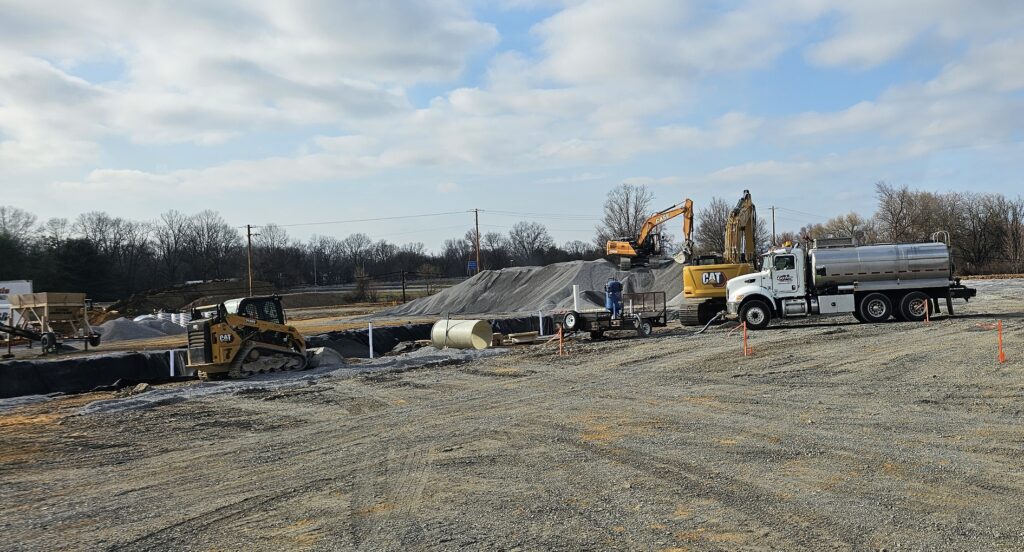
Professional water hauling optimizes construction water delivery by combining scheduled bulk volumes, quality control, and fleet features that reduce site disruption and downtime. Haulers provide predictable delivery schedules matched to project phases so crews get the right volume at the right time, minimizing idle labor and emergency calls.
Quality controls—such as sourcing from treated, chlorinated supplies and maintaining clean tanks and hoses—protect concrete chemistry and support potable uses, while fleet characteristics (large-capacity tankers, soft hoses, fast unloading systems) reduce unloading time and property disturbance.
At Taylor Farms Water Hauling, we stand by our hauling guarantees through our commitment to local sourcing and smart fleet design. We proudly supply clean, chlorinated water sourced directly from a trusted local plant. Our specialized tanker fleet, equipped with soft hoses and fast unloading capabilities, ensures efficient and safe deliveries.
We prioritize dependable scheduling and quick turnarounds because we know how critical they are for our construction customers. These capabilities are how we, as your local bulk water partner, help you reduce downtime and preserve concrete quality, especially when your projects demand coordinated, phase-driven deliveries. Understanding these guarantees is key to unlocking the site safety and compliance advantages we’ll discuss next.
Bulk Water Delivery Improves Project Efficiency and Timeliness
Bulk water delivery reduces interruptions by matching volume and timing to specific project phases, which keeps compaction cycles and pours on schedule with minimal contingency calls. Scheduled deliveries eliminate waiting for permit approvals or well repairs, and large-capacity trucks lessen the number of site visits required, freeing crews to focus on productive tasks.
In practice, a predictable delivery cadence—daily, weekly, or phase-based—lets project managers align labor and machinery, reducing idle time costs and lowering the chance of costly emergency procurement. Reduced emergency calls and a steady water flow translate into measurable productivity gains across excavation, compaction, and concrete work. These efficiency benefits naturally support quality outcomes.
What Guarantees Does Professional Water Hauling Provide for Water Quality?
Professional haulers mitigate material and health risks with clear water-quality controls: sourcing from treated municipal or plant supplies, maintaining clean tanks and hoses, and enforcing handling protocols that reduce contamination risk. Using treated water minimizes the presence of chlorides, sulfates, and biological contaminants that can affect concrete set and long-term durability.
Operationally, tank inspection routines and documented handling practices lower cross-contamination chances between potable and non-potable loads. These measures support both construction-grade needs and temporary potable applications for crews or events.
Quality guarantees are complemented by fleet hygiene and documentation, which contractors can require in procurement specifications to ensure water suitability for specific on-site uses. The next subsection discusses how hauling supports regulatory and safety obligations on site.
How Does Professional Water Hauling Enhance Site Safety and Environmental Compliance?
Water hauling supports safety and compliance by enabling scheduled dust-control programs, providing water for fire-prevention staging where hydrant capacity is limited, and reducing uncontrolled runoff from ad-hoc on-site sources. Regular dust suppression applications improve worker air quality and visibility, assisting compliance with workplace-safety expectations.
Controlled delivery and metered application reduce environmental incidents tied to overwatering and runoff, and hauling partners can support emergency water needs that otherwise would create regulatory exposure. These service features help contractors maintain safer, more compliant sites while minimizing potential citations. Improved safety and compliance also reduce indirect costs; the following subsection quantifies how hauling can lower total project expenditure relative to on-site alternatives.
How Professional Water Hauling Reduces Costs and Prevents Delays
Professional hauling reduces both direct and indirect costs by avoiding capital investments (well drilling, temporary meters), preventing rework associated with poor water quality, and minimizing schedule extensions from pump failures or permit delays. A single avoided pump repair or averted concrete re-pour can offset multiple hauling deliveries, and predictable logistics reduce costly last-minute emergency charges.
When contractors account for labor idle time, equipment downtime, and potential warranty claims, scheduled bulk water delivery often proves more economical than the hidden capital and maintenance expenses tied to on-site water sources. These cost comparisons make hauling an economic as well as operational choice.
Key Applications of Professional Construction Water Hauling Services
Hauled water supports a range of construction functions—dust control, soil compaction, concrete mixing and curing, potable crew needs, and emergency response—each with measurable effects on quality, safety, and schedule. For dust suppression and compaction, precise volumes and timing maintain specified moisture content and air-quality targets.
For concrete, consistent, treated water preserves mix ratios and curing regimes to protect long-term strength. For potable or emergency needs, reliable treated water prevents operational shutdowns. These applications map directly to site outcomes such as fewer citations, improved material performance, and uninterrupted work schedules.
Why Is Taylor Farms Water Hauling the Trusted Partner for Contractors in WV, MD, VA, and PA?
At Taylor Farms Water Hauling, we pride ourselves on providing localized trust signals and operational features that perfectly align with your contractor needs. As a family-owned and Veteran-owned business, we bring a deep sense of accountability and community partnership to every job. Our regional service coverage spans the Eastern Panhandle of West Virginia and surrounding areas in Maryland, Virginia, and limited parts of Pennsylvania, all with an unwavering focus on dependable bulk water delivery specifically for construction use.
As your dedicated local partner, we emphasize quick turnaround and scheduling responsiveness, knowing these are critical for your time-sensitive construction phases. These attributes ensure we are a reliable partner who truly understands local permitting, roads, and site access constraints, helping your projects run smoothly.
Are You Searching For A Water Delivery Company To Service A Construction Site?
We should talk if you’ve been searching for a water delivery company to service your industrial job site! Please contact us online or call our Inwood, West Virginia office directly at 304.229.1194. We service construction sites with potable water throughout West Virginia, Maryland, Virginia, and Pennsylvania to help keep your project on track.